Breaking Free: Your Journey to Addiction Recovery and a Thriving Life
Addiction is a complex and challenging issue affecting millions worldwide. Whether it's substance abuse (alcohol, drugs, etc.), behavioral addictions (gambling, shopping, internet), or process addictions (workaholism, sex addiction), the grip of addiction can feel inescapable. But hope exists. Recovery is possible, and a fulfilling life beyond addiction is within reach. This article explores the multifaceted nature of addiction, the path to recovery, and the tools necessary to build a lasting, healthy life.
Understanding the Roots of Addiction:
Addiction isn't simply a matter of willpower; it's a chronic brain disease affecting reward, motivation, and memory circuits. Genetic predisposition, environmental factors (trauma, stress, social influences), and psychological vulnerabilities all play a role. Understanding these underlying factors is crucial for effective treatment. For instance, someone grappling with opioid addiction might have experienced childhood trauma, leading to self-medication behaviors. Similarly, a gambling addict might have an underlying anxiety disorder that they attempt to manage through risky behaviors.
The Stages of Addiction and Recovery:
The addiction cycle typically involves several stages: experimentation, regular use, dependence, and addiction. Recovery is a journey, not a destination, often involving multiple stages:
- Precontemplation: The individual may not recognize they have a problem.
- Contemplation: Awareness of the problem starts to emerge, alongside ambivalence about change.
- Preparation: The individual begins to make plans for change, seeking information and support.
- Action: Active steps are taken to modify behavior, often including professional intervention.
- Maintenance: Sustaining sobriety or behavioral changes, dealing with triggers and cravings.
- Relapse: A setback in the recovery process, a crucial learning opportunity, not a failure.
- Detoxification: Medically supervised withdrawal from substances, crucial for managing withdrawal symptoms.
- Medication-Assisted Treatment (MAT): Utilizing medications to reduce cravings and withdrawal symptoms, often used in conjunction with therapy.
- Cognitive Behavioral Therapy (CBT): Helps identify and change negative thought patterns and behaviors contributing to addiction.
- Dialectical Behavior Therapy (DBT): Focuses on emotional regulation and distress tolerance skills, particularly beneficial for those with co-occurring mental health disorders.
- 12-Step Programs (e.g., Alcoholics Anonymous): Offer peer support and a structured approach to recovery.
- Family Therapy: Addresses the impact of addiction on family relationships and promotes healing and support.
- Building a strong support system: Connecting with family, friends, support groups, and sponsors.
- Developing healthy coping mechanisms: Finding healthy ways to manage stress, boredom, and cravings (exercise, meditation, hobbies).
- Maintaining a healthy lifestyle: Prioritizing nutrition, sleep, and regular exercise.
- Addressing underlying mental health issues: Seeking treatment for co-occurring disorders such as depression or anxiety.
- Continuous self-reflection and growth: Regularly evaluating progress, adjusting strategies as needed, and celebrating successes.
- SAMHSA National Helpline: 1-800-662-HELP (4357)
- National Institute on Drug Abuse (NIDA): Provides information and resources on drug addiction.
- Substance Abuse and Mental Health Services Administration (SAMHSA): Offers a comprehensive range of services and resources.
- Local treatment centers and support groups: Search online for resources in your area.
Relapse is a common part of recovery. It’s essential to view it not as a sign of weakness, but as an opportunity to learn and adjust strategies for long-term success. Support networks and professional guidance are paramount during these challenging times.
Effective Treatment Options for Addiction:
A holistic approach to addiction treatment is most effective. This typically involves a combination of therapies and support systems:
Building a Life Beyond Addiction: Long-Term Recovery Strategies
Sustaining long-term recovery requires ongoing effort and commitment. Essential strategies include:
Finding Help and Resources:
Seeking help is a sign of strength, not weakness. Numerous resources are available to support individuals and families impacted by addiction:
Conclusion:
Breaking free from addiction is a challenging but achievable journey. With the right support, treatment, and commitment, individuals can overcome addiction and build a fulfilling and thriving life. Remember that recovery is a process, and setbacks are opportunities for growth. Don't hesitate to reach out for help—your life is worth it. Take that first step today. You are not alone.
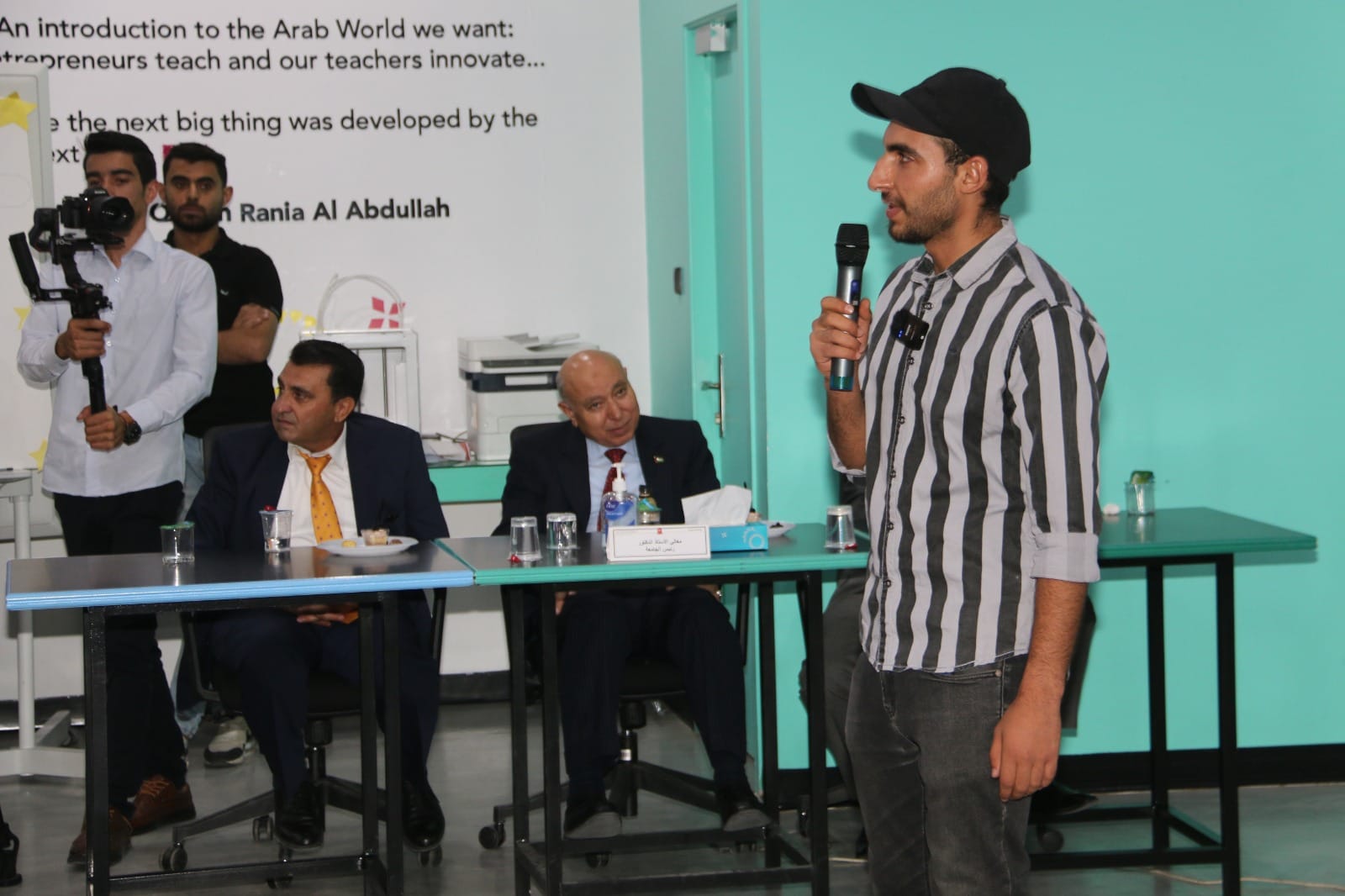
messages.Ahmad_Alhashlamoun
CEO/Founder & Content Creator @ Sevalis
Ahmad Alhashlamoun is a passionate developer and psychologist, focusing on leveraging technology to support mental health. He is the founder of Sevalis, an innovative digital platform that empowers individuals to understand their emotions and enhance their well-being through AI and interactive tools. Ahmad aims to create solutions that blend technology with psychology to foster personal growth and emotional balance. His vision is to bring AI-driven mental wellness tools to the world, helping people lead happier and healthier lives.